How It Started…
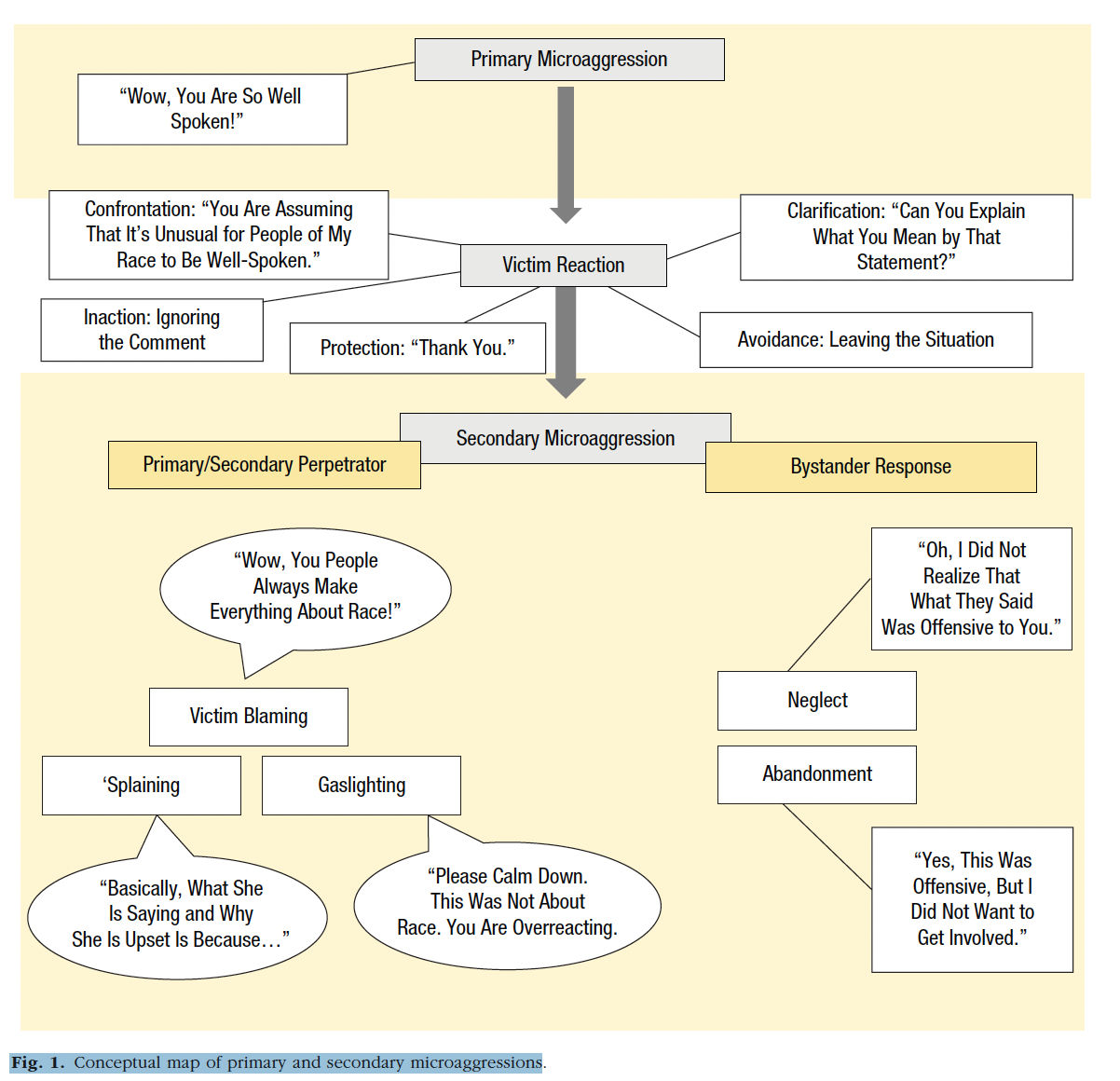
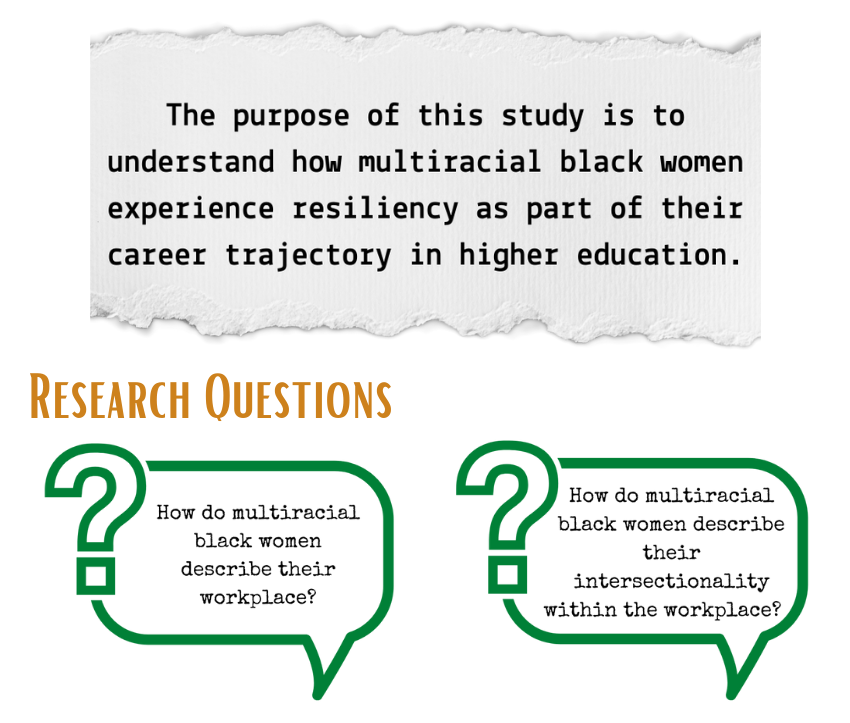
Community and conversation with black women in higher education. “The Great Resignation” has contributed greatly to recent focus on the experiences of multiracial black women navigating their career in higher education leadership. If black women are graduating from college, where is the representation in higher education leadership? How do they understand and make meaning of what can be deemed as microaggressions?
One Drop Rule – Who is Black?

During slavery and as part of the effort to perpetuate segregation, anyone with “black blood” or “Negro blood” or African ancestry was considered to be black (Davis, 2014). “Mixed-raced off-spring of black women and white men were classified as hypodescent as a way to control the slave market as they were born into slavery by the one-drop rule and considered slaves” (Harris, 2016,)
The one-drop rule exists only in the United States and is used only for American blacks.
Black Feminist Thought as a Methodology
“Black women’s knowledge calls into question the content of what currently passes as truth and simultaneously challenges the process of arriving at that truth.“
Patricia hill collins
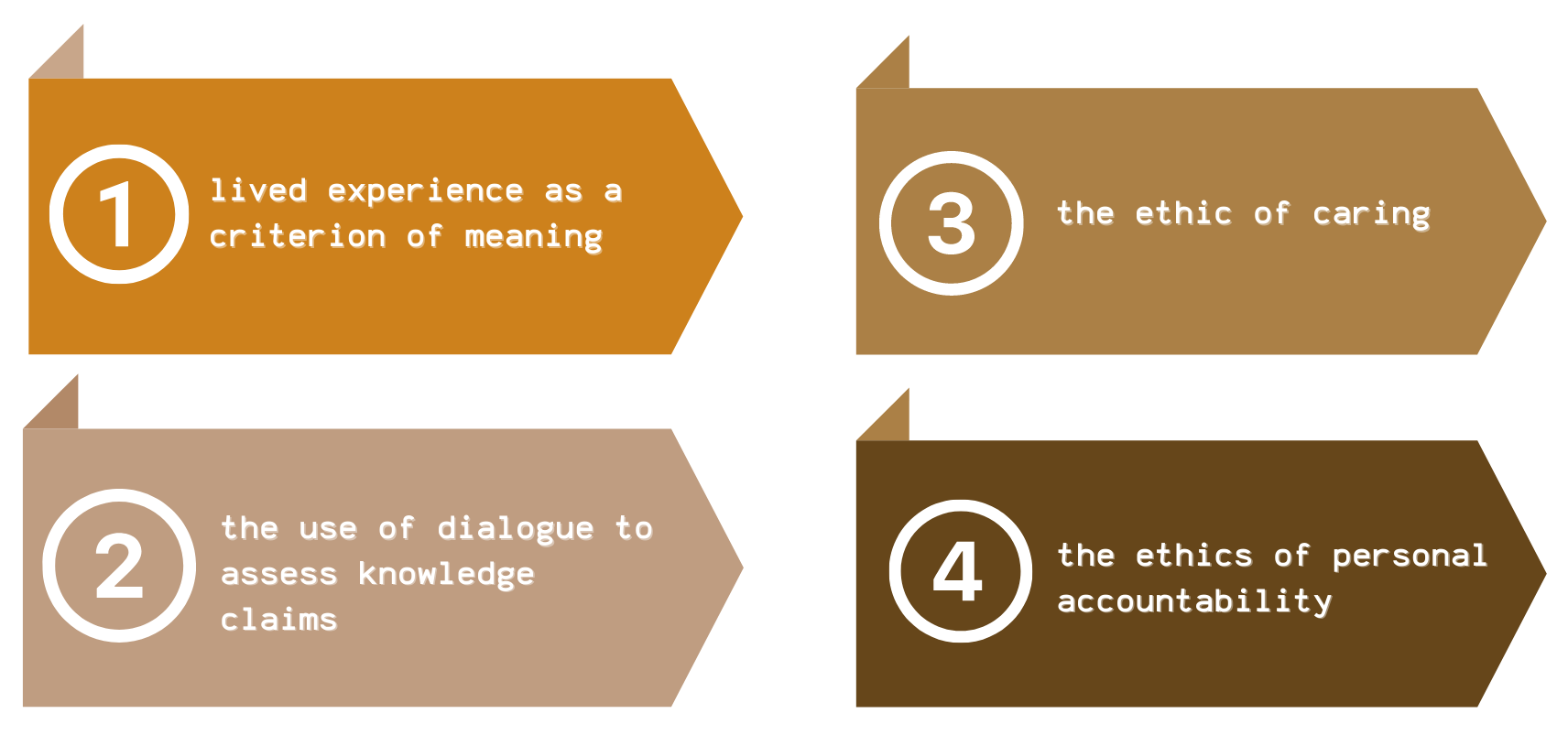
Four Dimensions of Afrocentric Epistemology
The benefit for the researcher is that it provides the ability for the researcher to separate personal and professional life. The benefit for participants is that gives them agency and a platform to share their historical experiences (Clemons, 2019).
A challenge presented by Clemons is that Black women have to realize while they too are “the other“, they have to engage in more self-reflexive activities. While shared experiences might exist between the researcher and the participants, questions have to be asked carefully to get participants to thoroughly explain their experiences. A narrative approach to sharing stories of multiracial black women can be used to frame an understanding of the people, and their culture, as well as address social and cultural phenomena (Clemons, 2019). BFT looks at how racism and sexism intersect in the experiences of Black women in the different environments they navigate.
BFT examines how knowledge is developed to lead to “what do you believe” and “who told you to believe it?” (Clemons, 2019).

Jessica Harris’ work on multiracial students in higher education illuminated an aspect of critical race theory that is currently missing as race is generally viewed with a binary perspective. To support the Black feminist thought, using critical multicultural theory, MultiCrit, as the framework will help draw on the specific multicultural aspects of black women. According to Harris (2016), “Working toward a MultiCrit may begin to interrupt the socially constructed understanding of race” (p.797). MultiCrit moves from the idea there are monoracial categories.
Future Considerations

Phenomenology – describe, understand and interpret lived experiences
Narrative inquiry – not just individual experiences but social, cultural, institutional narratives and how the experiences are shaped and expressed.
References
Clemons, K. M. (2019). Black feminist thought and qualitative research in education. Oxford Research Encyclopedia of Education. https://doi.org/10.1093/acrefore/9780190264093.013.1194
Davis, F. J. (2014). Mixed race America – Who is Black? One nation’s definition | Jefferson’s blood | Frontline | PBS. PBS: Public Broadcasting Service. https://www.pbs.org/wgbh/pages/frontline/shows/jefferson/mixed/onedrop.html
Harris, J. C. (2016). Toward a critical multiracial theory in education. International Journal of Qualitative Studies in Education, 29(6), 795-813. https://doi.org/10.1080/09518398.2016.1162870
Johnson, V. E., Nadal, K. L., Sissoko, D. R., & King, R. (2021). “It’s not in your head”: Gaslighting, ‘Splaining, victim blaming, and other harmful reactions to microaggressions. Perspectives on Psychological Science, 16(5), 1024-1036. https://doi.org/10.1177/17456916211011963
 deshawnamccray.me