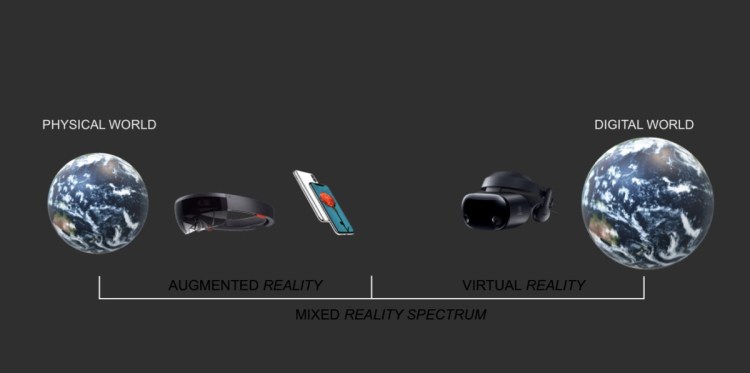
As students continue to live in a world surrounded by technology, it is important to shift gears from the traditional style of learning at the board to the integration of technology in the classroom. It’s not that educators are unaware that technology is important, but more so the overwhelming feeling of trying to use and operate the technology. First, there is the need to take content and it it into an experiential learning method students will respond to. Augmented reality (AR), virtual reality (VR) and mobile learning all assist with this. I’m sure if University faculty were asked about their familiarity with the three previously mentioned immersive technology tools many would not be comfortable or familiar.
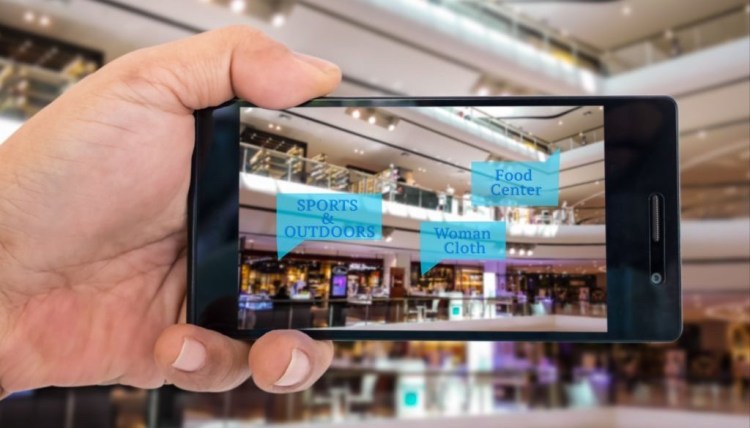
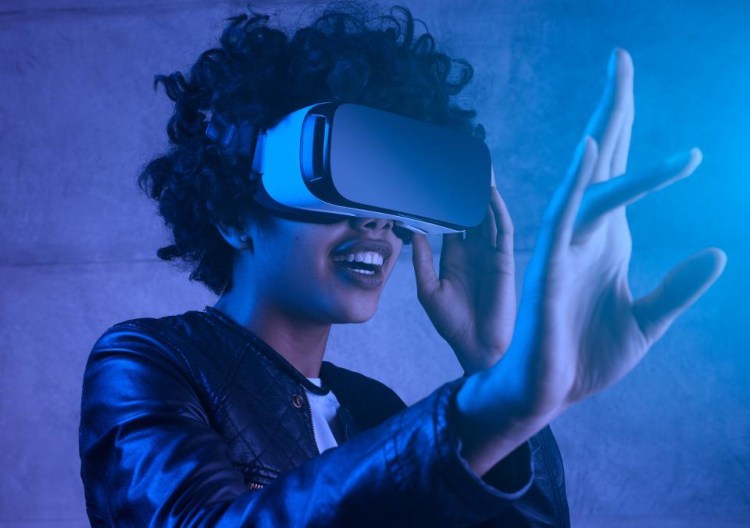
By using immersive technology such as Adobe Captivate, Premiere Pro, After Effects and the newly added (as of November 4, 2019) Adobe Aero, bringing AR, VR, and ML to the classroom is easier than before and can be used at a very elementary level. Immersive technology creates authentic learning situations, experiential learning, gets students outside of the classroom and into real situations.
Immersive technology is not just applicable to content, it can be used to transform the face of college recruiting. By using VR, students can go online and get a virtual tour of the campus and find out more about what is offered through a guided tour in the comfort of their bed. For college campus visits, students can experience the campus like never before with AR as they walk around the campus and interact with various aspects of what the college campus has to offer. For Texas A&M University-Corpus Christi, this could include the inside of the round building and the various student services available. A step-by-step how to guide on the steps needed to apply and complete the application process.
 deshawnamccray.me